If you own an older home in West Allis, you have probably seen it after a heavy spring thaw. A damp line along the bottom of the basement wall. A musty smell near the floor. Maybe a thin trickle that shows up every time the snow melts fast or the rain comes down hard. These are not random problems. They come from the way water moves through the ground around your foundation, and in this part of the Milwaukee metro, the ground does not cooperate.
West Allis sits on heavy clay soil. Clay holds water instead of draining it. When that water sits against your foundation wall and then freezes, it expands. Over many winters, that freeze-thaw cycle works on the block, opening cracks and pushing walls inward. Add the pressure that builds up when saturated soil pushes against the wall, and you get the slow leaks and bowing that so many older homes here deal with.
Why Exterior Waterproofing Works Differently
Most basement water problems get treated from the inside. Interior systems are useful, and sometimes they are the right call. But interior work manages water after it has already entered the wall or found a path under the floor. It moves the water out. It does not stop it from reaching the foundation in the first place.
Exterior waterproofing takes the opposite approach. It keeps water away from the wall before it can soak in or build pressure. That matters a great deal with clay soil, because the problem is not just water, it is water that sits and presses. When you address the outside of the wall, you reduce the hydrostatic pressure that cracks block and pushes foundations out of plumb.
For homeowners who want to solve the cause rather than chase the symptom, exterior waterproofing in West Allis is often the more lasting answer, especially on homes with block foundations that are decades old.
What the Work Actually Involves
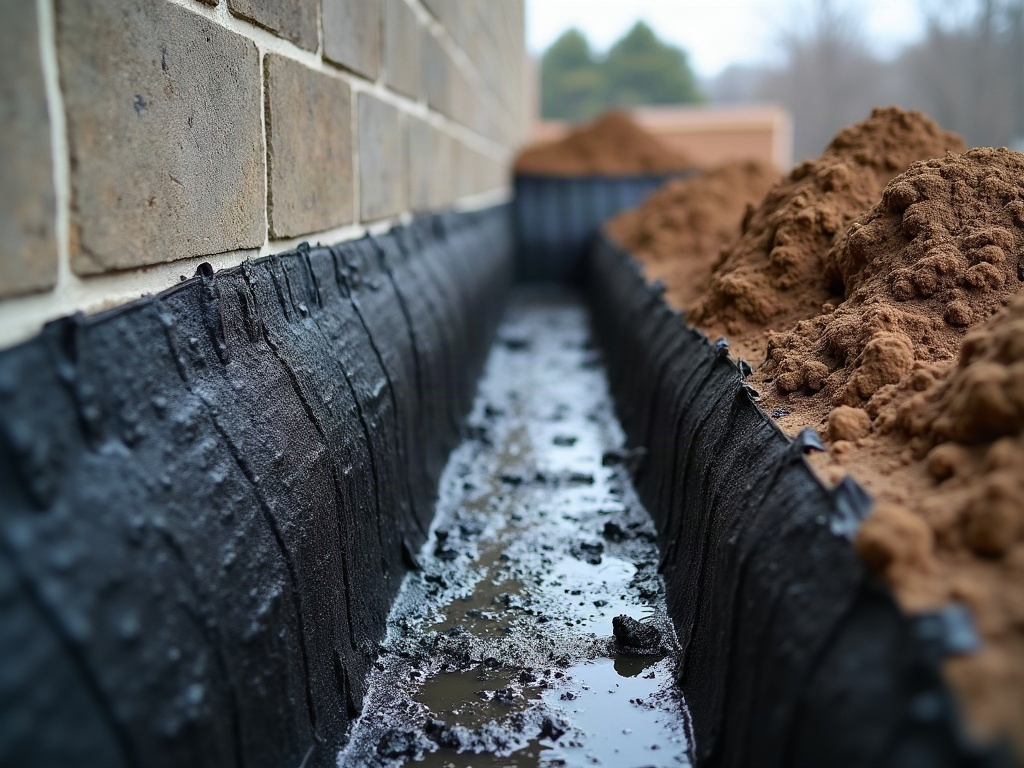
Exterior waterproofing is a real excavation project, and it helps to know what to expect. The crew digs down along the foundation wall to the footing. That exposes the full height of the wall from the outside, which is the only way to treat it properly.
Once the wall is exposed, a few things happen. The wall gets cleaned, and any cracks or deteriorated mortar joints get addressed. Then a waterproof membrane or coating is applied across the wall surface. This layer forms a barrier so water cannot soak into the block. In many cases a drainage board or dimpled membrane goes on next, which gives water a clear path down to the drain instead of letting it collect against the wall.
At the base, a new footing drain, often called a drain tile, is installed in gravel. This collects water at the lowest point and carries it away from the house, either to a sump system or to daylight where the grade allows. After everything is in place and inspected, the trench gets backfilled and the grade restored.
How Clay Soil and Winters Shape the Plan
The soil around your home drives a lot of these decisions. Clay drains slowly, so the footing drain and the gravel bed around it are not optional details. They are the parts that give trapped water somewhere to go. Without good drainage at the footing, even a perfect membrane leaves water sitting in the soil.
Freeze-thaw is the other factor. When wet clay freezes, it swells and presses on the wall. The exterior barrier and drainage reduce how much water is there to freeze in the first place, which eases that seasonal pressure. On homes where a wall has already started to bow or crack, exterior work is sometimes paired with structural repair so the wall is both stabilized and protected. If your wall shows signs of movement, our Foundation Repair team can evaluate whether reinforcement should be part of the project.
Signs Your West Allis Home May Need It
A few patterns tend to show up on homes that benefit from exterior waterproofing. Water that appears along the base of the wall after snowmelt or heavy rain. Cracks that leak, particularly where the wall meets the floor. White mineral staining, called efflorescence, on the block. Walls that look like they are leaning in, or horizontal cracks that run across the block.
You might also notice that interior fixes have not fully solved the issue. If you already have a system inside and the wall still shows moisture or keeps moving, the cause is likely outside, in the soil pressure and water contact that interior methods cannot reach.
Planning the Project
Timing matters in Wisconsin. Excavation is easier when the ground is not frozen, so late spring through fall is the common window, though every site is different. Good planning also looks at the surface. Downspouts that dump next to the foundation, grading that slopes toward the house, and clogged gutters all add water to the soil. Fixing those along with the waterproofing gives you the best result.
Every home is different, and the right scope depends on your foundation, your soil, and what the wall is already doing. A proper evaluation starts with someone looking at the specific conditions at your address. If you are dealing with recurring water or a wall that worries you, call (414) 587-3093 and we will walk through your options.
FAQ
Frequently asked questions
How long does exterior waterproofing take on a typical West Allis home?
Most projects run several days to about a week, depending on how much wall is exposed, soil conditions, and whether structural repair is included. Weather and access can affect the schedule, and your crew will give you a timeline after seeing the site.
Is exterior waterproofing better than an interior system?
It depends on the problem. Exterior work stops water before it reaches the wall and reduces soil pressure, which helps older block foundations. Interior systems manage water after entry. Some homes benefit from one approach, and some benefit from both. An evaluation tells you which fits your situation.
Will the excavation damage my landscaping or driveway?
Excavation does disturb the area along the foundation, so plants, walkways, or sections of driveway near the wall may be affected. We plan the dig to limit disruption and restore the grade afterward. We will point out anything in the work zone before starting.